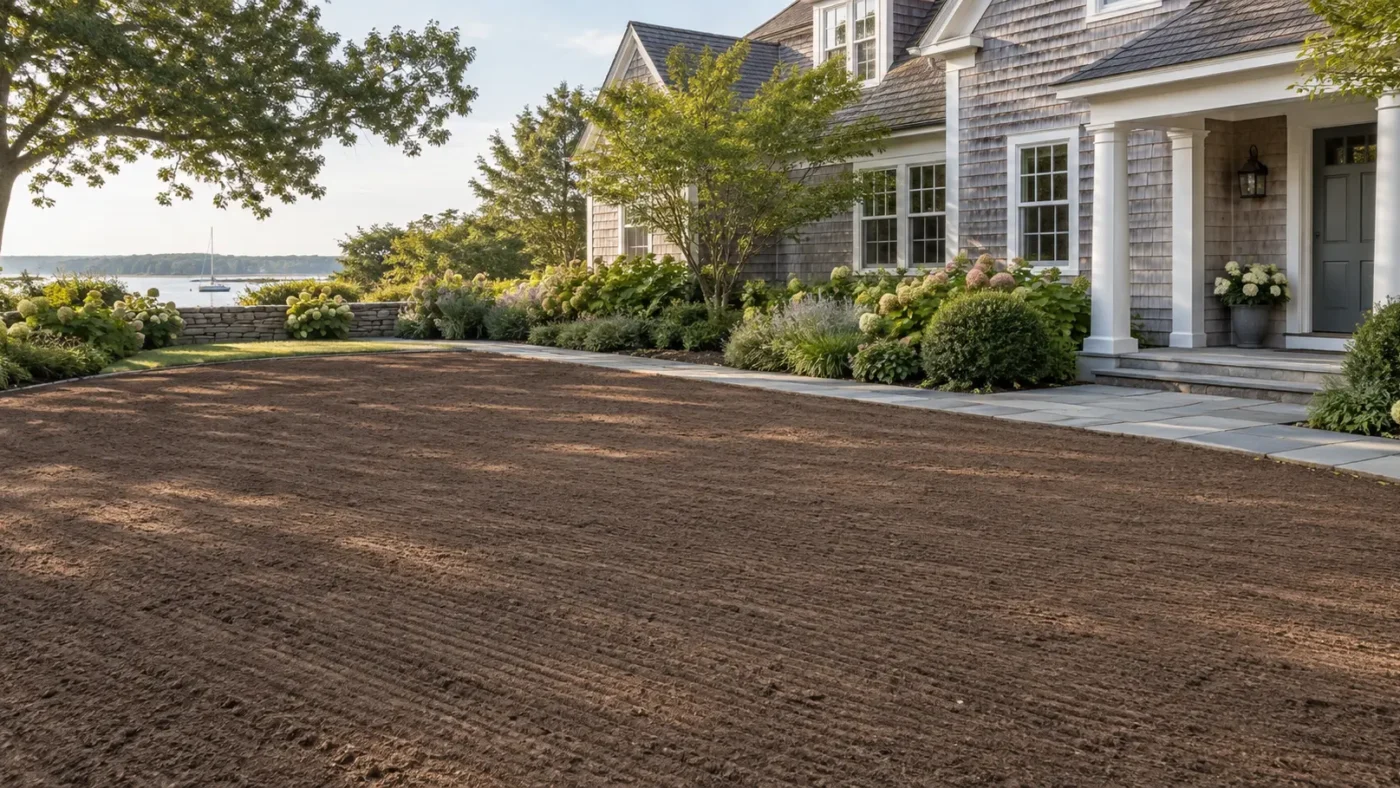
TL;DR: Before planting a new lawn, test the soil, assess drainage and compaction, choose amendments for the actual site, and prepare an even, firm surface. Have a working watering plan before seed or sod arrives. For a Martha’s Vineyard property, begin with the ground you have rather than ordering the same topsoil mix for every yard.
A new lawn project involves several decisions before anyone spreads seed or unrolls sod. What needs to stay? What needs to be removed? Is the ground ready, or does the project still need grading and soil work?
To prepare soil for a new lawn, start by defining the job. A bare construction site, a lawn being rebuilt around a new patio, and a thin but otherwise usable lawn call for different scopes of work.
If you still have healthy turf worth keeping, our fall lawn care guide covers less disruptive improvements. The steps below focus on bare ground and substantial reconstruction, where you can address the soil before establishing new grass.
1. Decide What the New Lawn Project Includes
Write down the intended lawn boundary, the areas being retained, and the work that must happen before planting. For a larger lawn care project, ask for preparation and installation to be described separately in the proposal.
Useful questions for the initial walkthrough include:
- Will the lawn meet an existing patio, walkway or planting bed?
- Is construction equipment still using the area?
- Which sections have a history of puddling or poor growth?
- Is there a reliable water supply and someone available to check it?
Choose seed or sod in time to coordinate the installation, but give the ground its own assessment. The University of Minnesota’s establishment guidance makes soil preparation part of both approaches.
For the differences between establishment methods, see our sod, hydroseeding and overseeding comparison.
2. What Should a Soil Test Tell You?
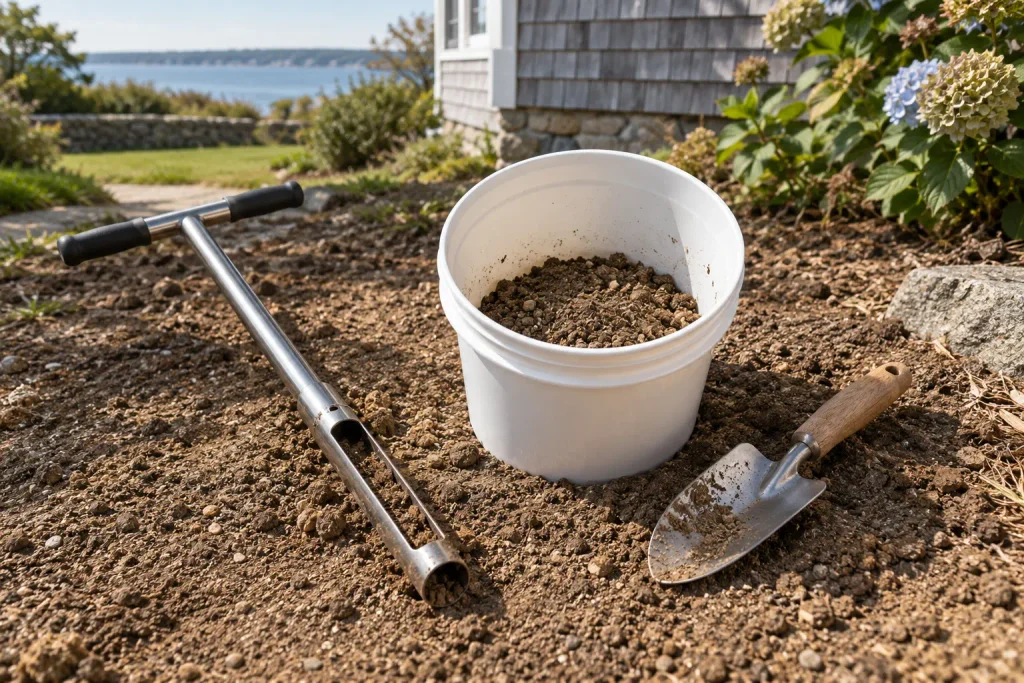
A soil test helps identify pH and nutrient conditions before you choose lime or fertilizer. Ask the lab for recommendations for a new lawn, and confirm which measurements its package includes. Organic matter and texture testing are not identical services, and packages vary.
The University of Maryland’s sampling guidance recommends separate samples for distinct areas and following the selected lab’s instructions. Combine representative subsamples from the same area rather than sending one scoop from the easiest spot to reach.
Keep a newly filled section separate from an established front yard if their soil histories differ. Label each sample so the recommendations can be applied to the correct location.
Treat the report as one part of the assessment. Pair it with a site walkthrough for slope, standing water and the condition of the ground. A nutrient recommendation does not explain where runoff should go.
Before approving materials, ask your installer to identify which recommendations come from the lab and which come from the physical site inspection.
3. Address Drainage and Compaction Before Fine Grading
Look at the broader site before smoothing the surface. Discuss recurring wet spots and how the lawn will meet surrounding hardscape. Ask for the intended drainage route to be explained before approving the finished levels.
UMass Extension’s seeding guidance includes grading for surface drainage and correcting underlying limitations as part of establishment. Bringing in soil is only one possible part of that work.
Compaction also deserves attention, especially where equipment has traveled. It occurs when soil particles are pressed together, reducing the spaces that allow air and water to move. The University of Minnesota explains that compacted soil can restrict drainage and root penetration, while wet ground is especially vulnerable to damage.
Ask how the compacted areas will be assessed and treated. The answer should relate to the site, not simply name a machine. Where cultivation is appropriate, soil moisture and the condition of the underlying ground matter.
Plan access for any remaining deliveries. As a practical project sequence, finish heavy work before the final lawn surface is prepared, then agree which route people and equipment should use afterward.
4. Do You Need Topsoil, Compost or Both?
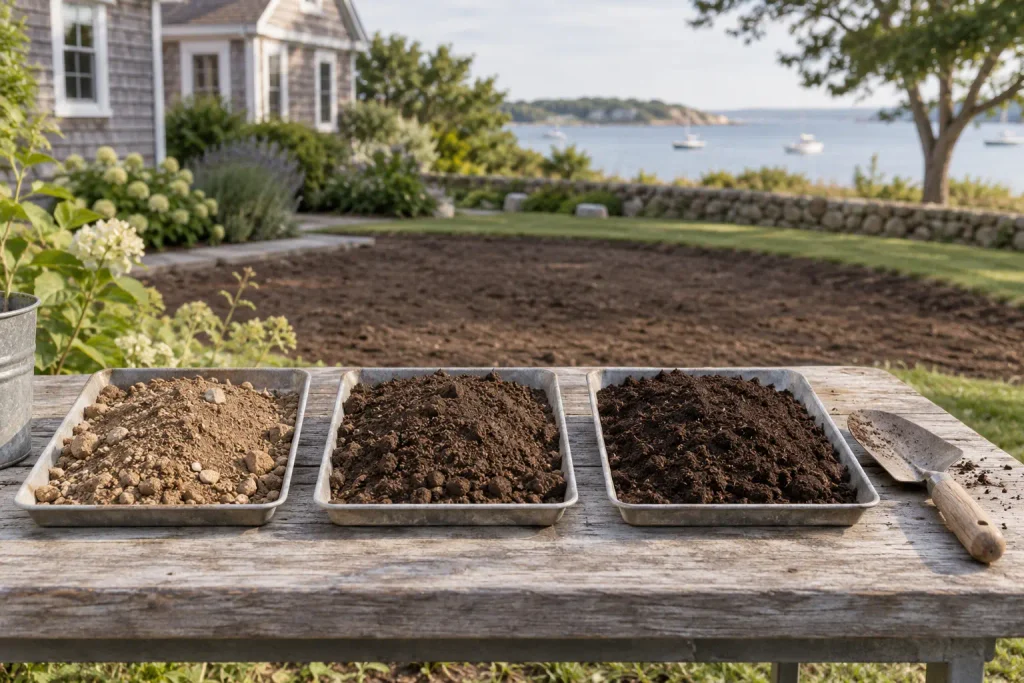
Order materials after reviewing the existing soil and intended finished level. Imported topsoil may be needed where usable soil is missing or the design requires additional material. It should not be an automatic purchase simply because the project involves a new lawn.
Utah State University’s soil-preparation guidance recommends assessing purchased soil for suitability and compatibility with the site. It also warns that excessive tilling can damage the soil rather than improve it.
Compost serves a different purpose. It is an amendment used to change soil properties, and it can contribute nutrients. The University of Maryland explains how organic matter can improve moisture retention and soil structure. That makes material selection worth discussing in relation to the test results.
Ask the supplier or installer:
- What is the material, and is testing information available?
- What problem is it intended to address?
- How much will be used, and how was that quantity calculated?
- How will it be incorporated or blended with the existing ground?
A description such as “screened loam” is a starting point for that conversation. Request the proposed depth and area in the written scope so you can compare estimates on the same basis.
5. Prepare the Finished Surface and Watering Plan
The installer should check the ground before the planting crew starts. Confirm that unwanted vegetation and construction debris have been addressed, the planned levels are complete, and the surface is ready for the chosen method.
For sod installation, discuss the finished height at paths and patios before the rolls arrive. Ask the installer to account for the sod in that transition.
The final surface needs appropriate firming. University extension guidance calls for good contact between soil and new seed or sod; a deeply rutted surface should prompt another check before planting. Excessively loose ground and heavy compaction both deserve attention.
Have the irrigation system checked before installation, or agree on a workable temporary watering setup. New turf needs consistent moisture during establishment, with adjustments as roots develop. Avoid assuming a mature lawn’s existing program will be suitable from day one.
For a seasonal home, assign responsibility in writing: who checks the lawn, who adjusts watering, and who gets called if something fails? Include the date you expect to leave the Island when discussing the installation schedule.
6. Use This Pre-Installation Checklist
Use this table during the final walkthrough with your installer. It turns the preparation scope into clear questions before seed or sod is delivered.
| Item | Confirm before planting |
|---|---|
| Project boundary | Everyone agrees which areas are being rebuilt and retained. |
| Soil report | Samples match the work areas, and recommendations have been reviewed. |
| Drainage | The intended levels and treatment of known wet spots are explained. |
| Materials | The soil or amendment type, quantity and placement are documented. |
| Surface | The installer has checked debris, firmness and finished transitions. |
| Watering | Equipment is ready and a named person is responsible for follow-up. |
| Remaining work | Access routes and outstanding construction tasks are accounted for. |
Keep the completed scope, soil report and care instructions together. They give you a useful reference when reviewing the lawn’s progress and planning future maintenance.
Planning a new lawn on Martha’s Vineyard? Infinity Landscaping offers lawn installation and related property services across the Island. Request a free quote or call (508) 333-1071. Include your town, a few site photos, the approximate lawn area and your preferred timing.
Frequently Asked Questions
How do I estimate a soil delivery quantity?
For a simple flat area, multiply square feet by depth in inches, then divide by 324 to estimate cubic yards. For example, 1,000 square feet covered one inch deep is approximately 3.1 cubic yards before allowing for settling, waste or uneven ground. One inch is an arithmetic example, not a recommended soil depth; have the installer specify the actual requirement.
What should a soil-preparation quote separate out?
Ask for clearing and removal, grading, soil amendments, imported material, lawn installation and aftercare to be identified. Request clarification about soil testing and watering setup if they are absent. This helps you compare the work included rather than just the final price.
Can preparation be completed before the planting date?
Ask the installer to build that gap into the schedule and explain how the site will be maintained until planting. Confirm whether another surface check or additional preparation will be included before seed or sod arrives. Avoid treating an earlier preparation visit as automatic approval of the site’s later condition.
Is September a good time to start the project?
Early fall is generally a useful establishment period for cool-season lawns in Massachusetts, but the schedule should allow time for preparation and follow-up care. Our guide to the best time for lawn repair explains the seasonal considerations. Discuss the actual site and planting method before committing to a date.