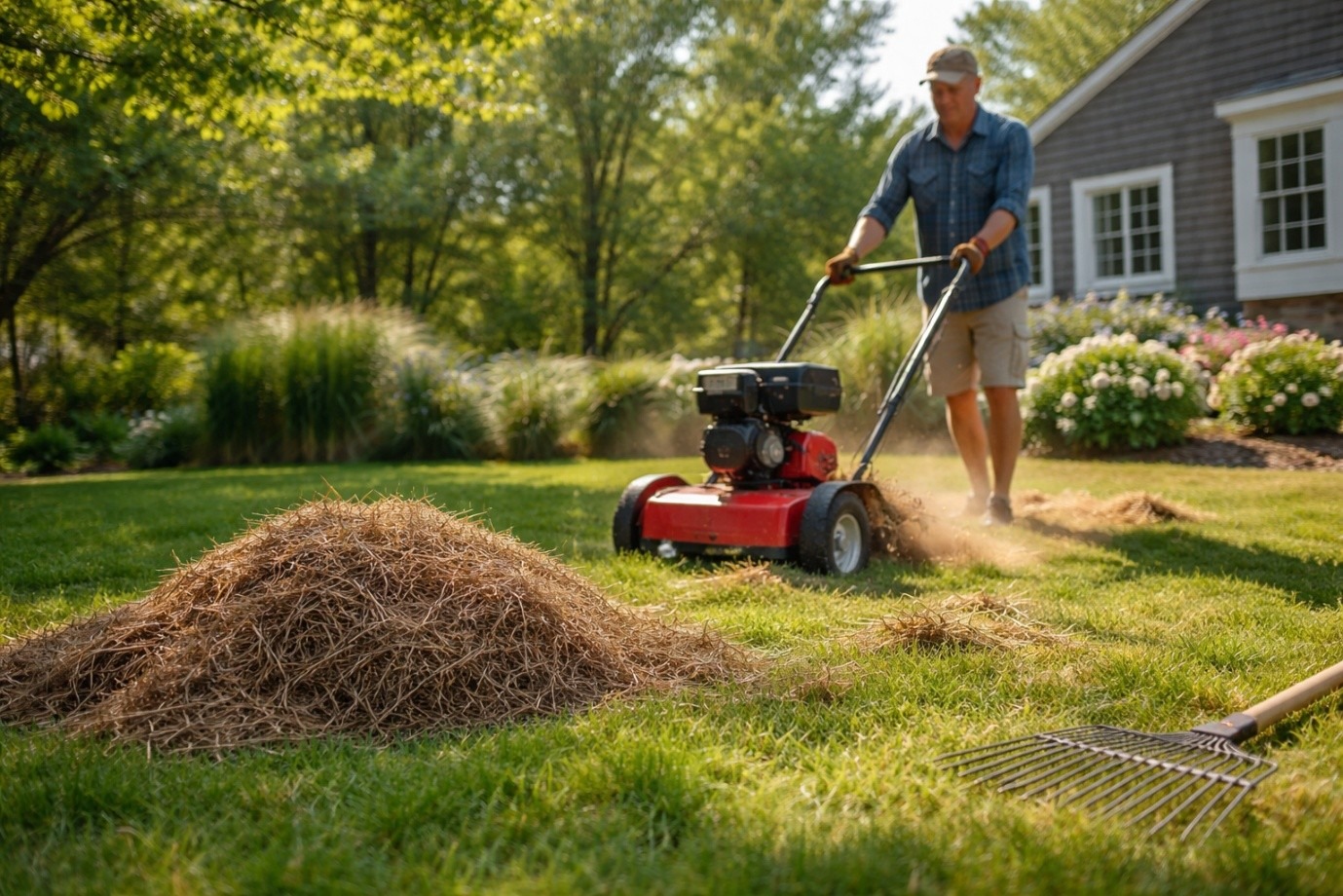
A healthy lawn is not just about watering or mowing. One important step many homeowners miss is lawn dethatching in West Tisbury. Thatch is a layer of dead grass, roots, and other debris that forms between the soil and living grass. A small amount of thatch can protect your lawn, but too much can stop water, nutrients, and air from reaching the roots. Removing it at the right time keeps grass healthy and strong.
Professional care also plays a role. Using lawn Dethatching services in West Tisbury ensures that the process is done safely and effectively. The lawn recovers faster, grows thicker, and stays green.
Signs Your Lawn Needs Dethatching
A lawn may need dethatching if it shows these warning signs:
- Grass feels soft and spongy underfoot.
- Bare patches appear despite proper watering and fertilization.
- A thick layer of brown debris sits between the soil and the grass.
- Grass grows slowly or appears yellow in spring or summer.
Catching these signs early prevents damage and keeps the lawn healthy.
Best Time to Dethatch Lawn
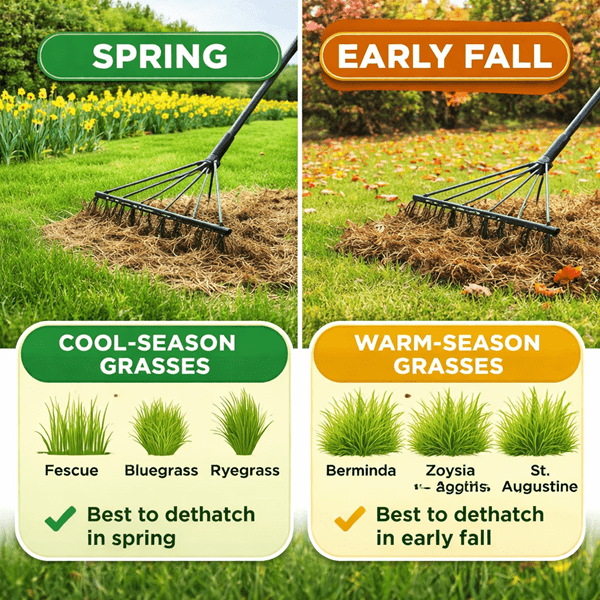
Timing is key for successful dethatching. The best time to dethatch the lawn in West Tisbury depends on the type of grass and its growth cycle.
- Spring: Ideal for cool-season grasses. Doing it before growth accelerates allows the lawn to recover quickly.
- Early Fall: Suitable for warm-season grasses or lawns that need repair after summer stress.
Proper timing reduces stress on grass and encourages faster recovery.
Lawn Thatch Removal Timing
Correct lawn thatch removal ensures minimal damage. The soil should be slightly moist but not wet. This makes dethatching easier and prevents tearing of grass roots. Too dry soil can make dethatching hard and may harm the lawn.
Methods for Dethatching
Several methods can be used depending on lawn size and condition:
- Manual rakes: Great for small lawns or minor thatch layers.
- Power dethatchers: Ideal for medium to large lawns with thick thatch.
- Vertical mowers: Effective for deep removal in dense lawns.
The right method removes excess debris while keeping the lawn safe and healthy.
How Often Should Dethatching Occur?
Frequency depends on grass type, soil conditions, and growth rate. Lawns with dense growth may need dethatching every 1-2 years, while thinner lawns or sandy soils may need it less often. Observing thatch buildup is essential to keep the lawn healthy.
When Should You Dethatch Your Lawn in West Tisbury
Knowing when to dethatch your lawn in West Tisbury requires watching seasonal growth and lawn condition. Signs of thick thatch or poor drainage indicate it is time. Aligning dethatching with active growth periods helps the lawn recover faster and promotes stronger roots.
Tools and Equipment
Using the right tools makes dethatching safer and easier:
- Steel rakes for small areas.
- Electric or gas dethatchers for larger lawns.
- Lawn aerators to complement dethatching for better soil health.
Proper use of tools prevents damage to grass crowns or soil structure.
Benefits of Dethatching
Removing excessive thatch has many benefits:
- Improves water, nutrient, and air penetration.
- Encourages deeper root growth.
- Reduces the risk of pests and disease.
- Promotes a greener, fuller lawn.
Dethatching helps both the look and health of the yard.
What Happens If You Don’t Dethatch Your Lawn
Ignoring thatch buildup can cause serious problems. What happens if you don’t dethatch your lawn includes:
- Soil compaction that restricts root growth.
- Grass is vulnerable to drought and disease.
- Reduced the effect of fertilization and watering.
- Poor color and slow growth.
Removing thatch on time prevents these issues.
Complementing Lawn Maintenance
Dethatching is part of broader lawn maintenance in West Tisbury, MA. Proper mowing, watering, fertilizing, and pest management all support a healthy lawn. Dethatching works best alongside these steps for long-term lawn health.
Hiring a Professional Lawn Dethatching Company
For large or challenging lawns, a lawn dethatching company in West Tisbury can make a big difference. Experts have the equipment and experience to remove thick thatch, evaluate soil conditions, and help the lawn recover quickly.
Steps After Dethatching
After dethatching, the lawn needs care to recover:
- Water lightly and regularly.
- Apply fertilizer to support new growth.
- Overseed bare patches to restore coverage.
- Avoid heavy traffic until the grass recovers fully.
These steps help the lawn bounce back and stay vibrant.
Enhance Your Lawn with Expert Dethatching Services
For expert lawn dethatching in West Tisbury, Infinity Landscaping Inc. provides professional solutions tailored to local conditions. Schedule services today to improve lawn health, maintain vibrant growth, and enjoy a lush, resilient lawn all year round.
FAQs
Q1: When is the best time to dethatch a lawn in Massachusetts?
Spring is ideal for cool-season grasses, while early fall suits warm-season grasses. Recovery is fastest when done during active growth periods.
Q2: How do I know if my lawn needs dethatching?
A spongy feel, brown matted layers, slow growth, and bare patches indicate thatch is excessive and needs removal.
Q3: Is dethatching better in spring or fall?
Cool-season grasses benefit from spring dethatching, while warm-season grasses recover best in early fall. Aligning with growth periods is essential.
Q4: What happens if you don’t dethatch your lawn?
Excessive thatch causes soil compaction, weak roots, poor water absorption, pest issues, and slow grass growth, harming lawn health.
Q5: Can dethatching damage your lawn?
Improper timing or equipment can harm grass. Slightly moist soil and careful technique reduce risks.
Q6: How often should you dethatch your lawn?
Most lawns need dethatching once every 1-2 years. Dense growth or soil type may require adjustments.
Q7: Should I aerate or dethatch first?
Dethatch first to remove debris, then aerate for better water and nutrient penetration. Both steps complement each other.
Q8: What is the difference between dethatching and aeration?
Dethatching removes dead material from the soil surface. Aeration makes holes in the soil to reduce compaction and improve nutrient and water absorption.