Spring is a fresh start for every lawn. Grass begins to grow again, flowers bloom, and outdoor spaces come back to life. But this season also brings many common spring lawn problems that can make a yard look weak, patchy, or unhealthy if not treated on time.
Understanding what is happening under the soil is the first step. A simple and clear lawn troubleshooting guide can help identify problems early and fix them before they get worse. This makes the lawn green, strong, and beautiful again.
Why Lawn Problems Happen in Spring
After winter, lawns go through stress. Cold weather, snow, and lack of sunlight can damage grass. Soil becomes compact, and roots may weaken.
Some common reasons include:
- Frozen ground during winter
- Excess moisture after snow melts
- Poor air flow in the soil
- Lack of nutrients
- Early weed growth
These are all examples of seasonal lawn care issues that need attention at the right time.
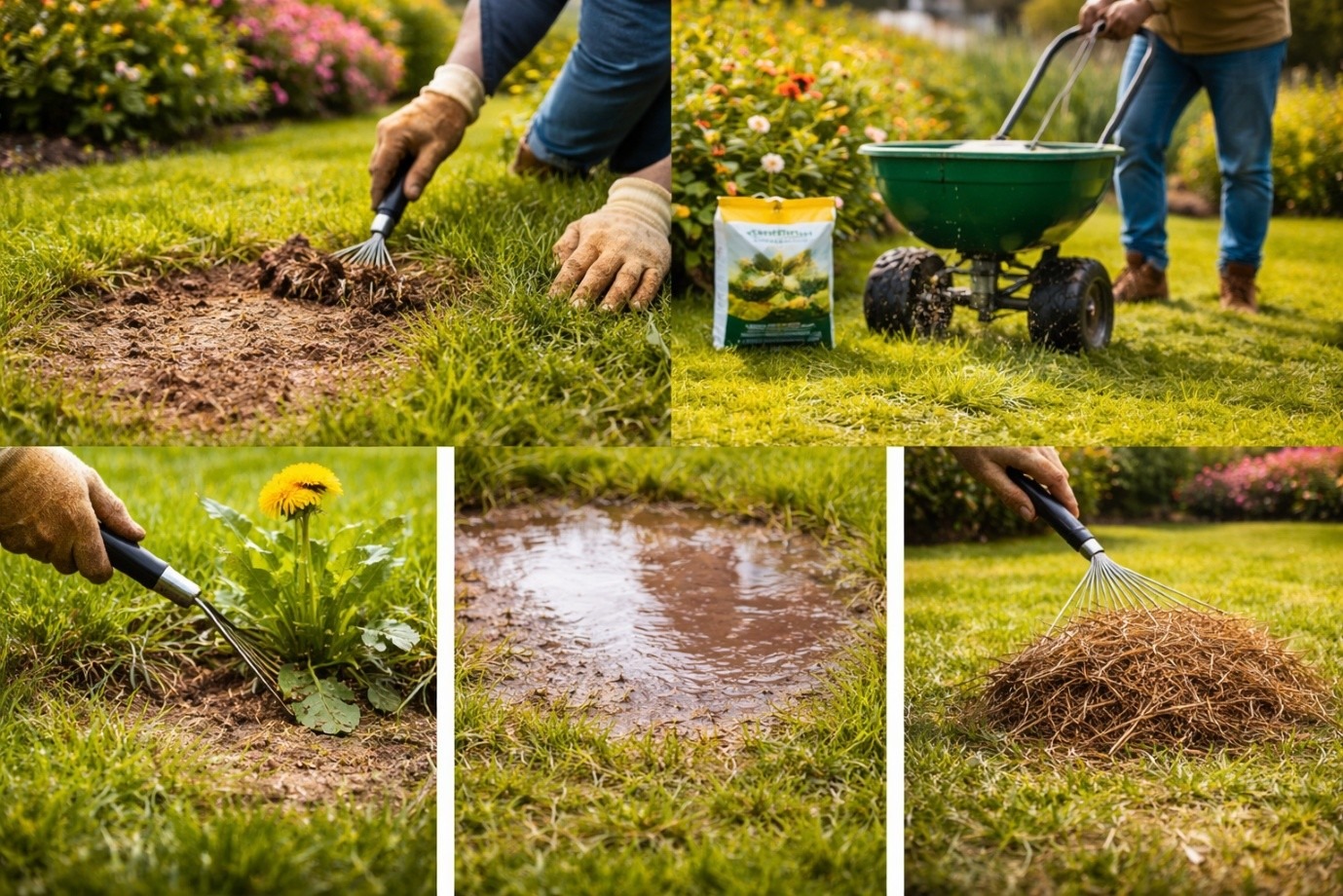
Bare patches are spots where grass is missing. These areas look empty and dry. They usually happen due to heavy foot traffic, snow damage, or disease.
- Remove dead grass from the patch
- Loosen the soil gently
- Add fresh grass seed
- Water lightly every day
This is one of the most common problems handled through lawn repair services in Martha’s Vineyard, MA, to restore a smooth and even lawn.
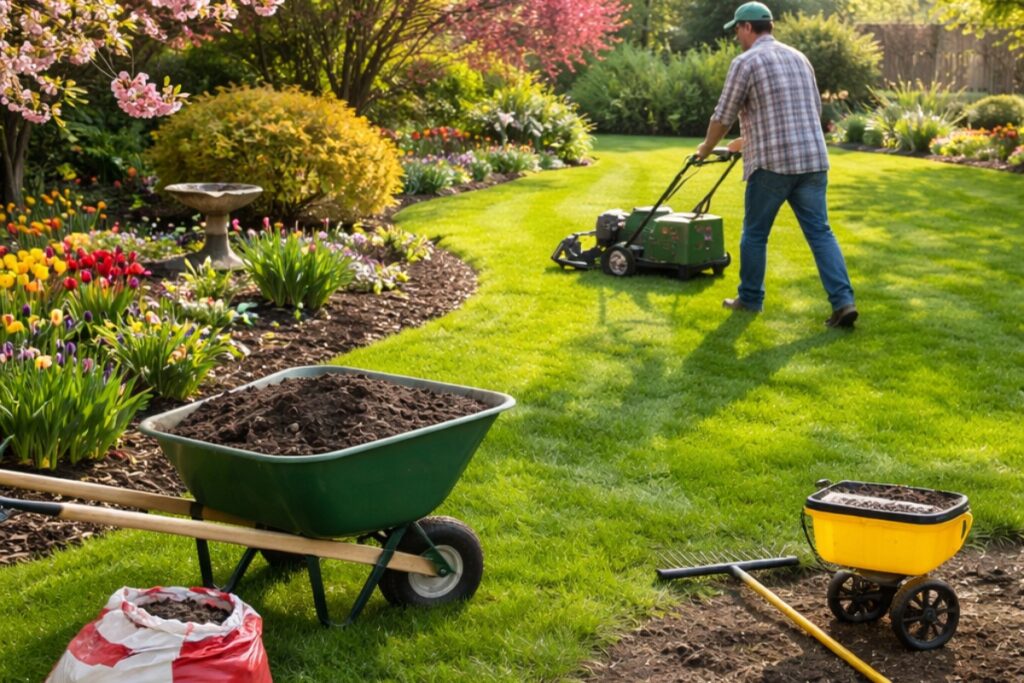
Grass turning yellow or brown is a sign of stress. It may be caused by a lack of nutrients, poor drainage, or leftover winter damage.
How to Fix It
- Test the soil for nutrients
- Apply a balanced fertilizer
- Water the lawn properly
- Remove debris blocking sunlight
Proper lawn care in spring helps bring back the green color and improves overall grass health.
Weeds grow very fast in the spring. They take water and nutrients from the grass and make the lawn look messy.
- Pull weeds by hand early
- Use safe weed control products
- Keep the grass thick and healthy
Regular maintenance from lawn care services in Martha’s Vineyard helps control weeds before they spread too much.
Soil becomes hard and tight after winter. This stops air, water, and nutrients from reaching the roots.
How to Fix It
- Use lawn aeration tools
- Create small holes in the soil
- Add compost or top dressing
Many people search for professional lawn care near you to handle aeration correctly and safely.
Thatch is a layer of dead grass and roots sitting on top of the soil. Too much thatch blocks water and air.
How to Fix It
- Use a dethatching rake or machine
- Remove the thick layer gently
- Water and fertilize after cleaning
Knowing how to fix lawn problems in spring helps prevent thatch from damaging the lawn.
Simple Tips to Keep Lawn Healthy in Spring

Taking small steps early can prevent big problems later.
Easy Lawn Care Tips
- Water in the morning
- Mow at the right height
- Remove leaves and debris
- Feed the lawn with nutrients
- Check soil condition regularly
A trusted landscaping company in Martha’s Vineyard often recommends regular care routines to maintain lawn beauty all season.
When to Take Action
Timing is very important in spring lawn care. Acting early gives better results.
Best Time to Fix Lawn Problems
- Early spring: Clean and prepare the lawn
- Mid spring: Seed and fertilize
- Late spring: Maintain and control weeds
Following the right schedule helps avoid long-term damage.
Signs That the Lawn Needs Immediate Attention
Look for these warning signs:
- Grass is not growing evenly
- Water is pooling in some areas
- Too many weeds are appearing
- Soil feeling too hard
- Lawn losing color
These signs show that the lawn needs quick care and attention.
Benefits of Fixing Lawn Problems Early
Fixing issues early makes a big difference.
- Saves time and effort later
- Improves grass growth
- Prevents bigger damage
- Makes the outdoor space look neat
- Increases property value
A healthy lawn also creates a calm and relaxing outdoor space.
Final Thoughts
Spring is the best time to care for a lawn. Small problems can turn into big ones if ignored. With the right steps, any lawn can become green and strong again.
Regular care, proper tools, and early action help fix most lawn issues. A clean and healthy lawn adds beauty and comfort to any home.
Get Expert Help for a Healthier Lawn
A well-maintained lawn needs the right care at the right time. For reliable and expert support, Infinity Landscaping Inc offers trusted solutions for all types of spring lawn problems across Martha’s Vineyard.
FAQs
Q1: What are common lawn problems in spring?
Common problems include bare patches, weeds, yellow grass, compacted soil, and thatch build-up. These issues happen due to winter stress and poor soil health, making lawns look weak and uneven in early spring.
Q2: Why does my lawn look bad in spring?
Lawns look bad because of winter damage, lack of nutrients, and excess moisture. Cold weather weakens grass roots, and poor soil condition stops proper growth, leading to patchy and dull-looking lawns.
Q3: How do I fix my lawn after winter?
Start by cleaning debris, loosening soil, and adding fresh grass seed. Water regularly and apply fertilizer. These steps help the lawn recover and grow strong after winter damage.
Q4: What causes lawn damage in spring?
Damage is caused by snow mold, compacted soil, poor drainage, and weed growth. These factors affect root health and stop grass from growing properly during the early season.
Q5: How do I restore my lawn quickly?
To restore quickly, remove dead grass, aerate the soil, add seeds, and water properly. Using the right nutrients also helps speed up grass growth and improve lawn health.
Q6: Why do weeds grow more in the spring?
Weeds grow faster because the soil is moist and the temperatures are ideal. They take advantage of weak grass and spread quickly if not controlled early.
Q7: How do I get rid of weeds in my lawn?
Remove weeds by hand or use safe weed control methods. Keeping the lawn thick and healthy also prevents weeds from growing again.