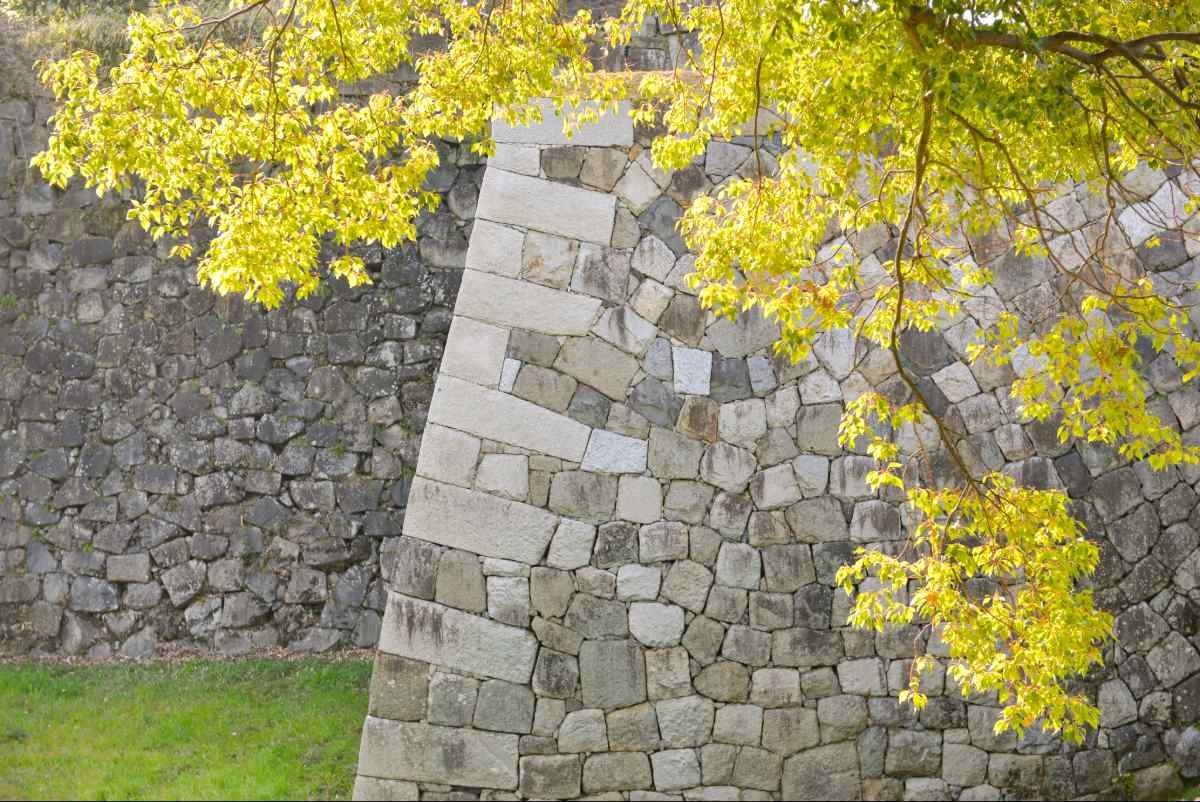
Owning a home on Martha’s Vineyard often means dealing with hilly terrain. While a sloped yard offers great views, it can be hard to use. Professional stonework in West Tisbury transforms these difficult areas into beautiful, flat spaces that stay in place for decades. By using natural materials, a property becomes safer and more attractive.
Turning Hills into Usable Space
Sloped land often suffers from water runoff and slippery grass. A skilled stonework contractor in West Tisbury can look at a hill and see a series of flat terraces. These levels make it easier to plant gardens, set up outdoor furniture, or simply walk around the yard without tripping.
Why Slopes Need Extra Care
Gravity is always pulling soil downward. When it rains, the water carries dirt away, which can damage foundations or ruin landscaping. High-quality hardscape contractor in West Tisbury services focus on creating structures that fight against this movement. Instead of a muddy hill, a homeowner gets a solid, dry landscape.
The Power of Retaining Walls
A retaining wall installation in West Tisbury is the most effective way to hold back earth. These walls act like a dam for soil. They are built with a slight lean toward the hill to ensure they stay strong against the weight of the dirt and water behind them.
Benefits of Professional Installation
- Stability: Keeps the ground from shifting.
- Leveling: Creates flat “shelves” of land.
- Style: Natural stone matches the island’s aesthetic.
Enhancing Your Home with Residential Stonework
Adding residential stonework in West Tisbury is an investment in the future. Stone does not rot like wood or fade like plastic. It weathers naturally, getting more beautiful as it ages. This type of work makes a home stand out in the local real estate market because it looks permanent and high-end.
Finding the Best Stone for Outdoor Steps
Safety is a priority on a hill. Choosing the best stone for outdoor steps usually means looking for flat, heavy pieces with a “thermal” or natural cleft finish. This texture provides a grip so feet do not slide when it is raining. Granite and bluestone are popular choices because they are incredibly tough and do not crack during cold Vineyard winters.
Stopping Soil Loss Naturally
Many homeowners ask how stonework prevents erosion on slopes. The answer lies in breaking the path of the water. When rain hits a flat stone terrace, it slows down. This allows the water to soak into the ground instead of racing down the hill and carving out deep gullies in the dirt.
Choosing the Right Materials
Not all stones are the same. For a sloped property, the materials need to be heavy enough to stay put and durable enough to handle the salt air.
- Fieldstone: Great for a rustic, “Vineyard” look.
- Granite: Extremely strong and perfect for steps.
- Sandstone: Offers warm colors for a softer appearance.
Drainage: The Secret to Long-Lasting Stone
Water is the biggest enemy of stonework. If water gets trapped behind a wall, it can freeze and push the stones out of place. Professionals install gravel and pipes behind the stone to let water escape safely. This keeps the structure straight and strong for a lifetime.
Boosting Curb Appeal and Function
A well-designed stone project does two things at once. It solves a problem (like a sliding hill), and it looks like a piece of art. Beautifully stacked walls and winding stone paths turn a “problem yard” into the favorite part of the home.
Transform Your Landscape Today
Ready to turn that difficult slope into a masterpiece? Contact Infinity Landscaping Inc for expert advice and beautiful stone solutions. Whether you need a sturdy retaining wall installation in West Tisbury or elegant garden steps, professional help is just a call away.
Frequently Asked Questions
Q1: How does stonework help a sloped property?
Stonework creates flat levels called terraces. This stops soil from washing away and turns steep, unusable hills into flat areas for gardens or patios.
Q2: Do retaining walls increase home value?
Yes. They improve the curb appeal and increase the amount of usable square footage in the yard, which buyers find very attractive.
Q3: What is the best retaining wall for a steep slope?
Natural stone or reinforced concrete blocks are best. For very steep hills, a gravity wall made of heavy stone is often the most durable choice.
Q4: How do you prevent erosion on a sloped yard?
By installing retaining walls and stone borders, the flow of water is interrupted. This prevents the water from picking up speed and carrying away the topsoil.
Q5: Do retaining walls need drainage?
Absolutely. Without drainage, water pressure builds up behind the wall. Using crushed stone and perforated pipes ensures the wall doesn’t lean or collapse over time.
Q6: What type of stone is best for outdoor retaining walls?
Hard stones like granite or local fieldstone are excellent. They handle the freeze-and-thaw cycles of West Tisbury without crumbling.
Q7: How long do stone retaining walls last?
When built correctly with a solid base, a dry-stack or mortared stone wall can last 50 to 100 years.
Q8: Can you add stone steps on a steep slope?
Yes. Stone steps are the safest way to navigate a steep yard. They are dug into the hill to provide a solid, non-slip path from top to bottom.