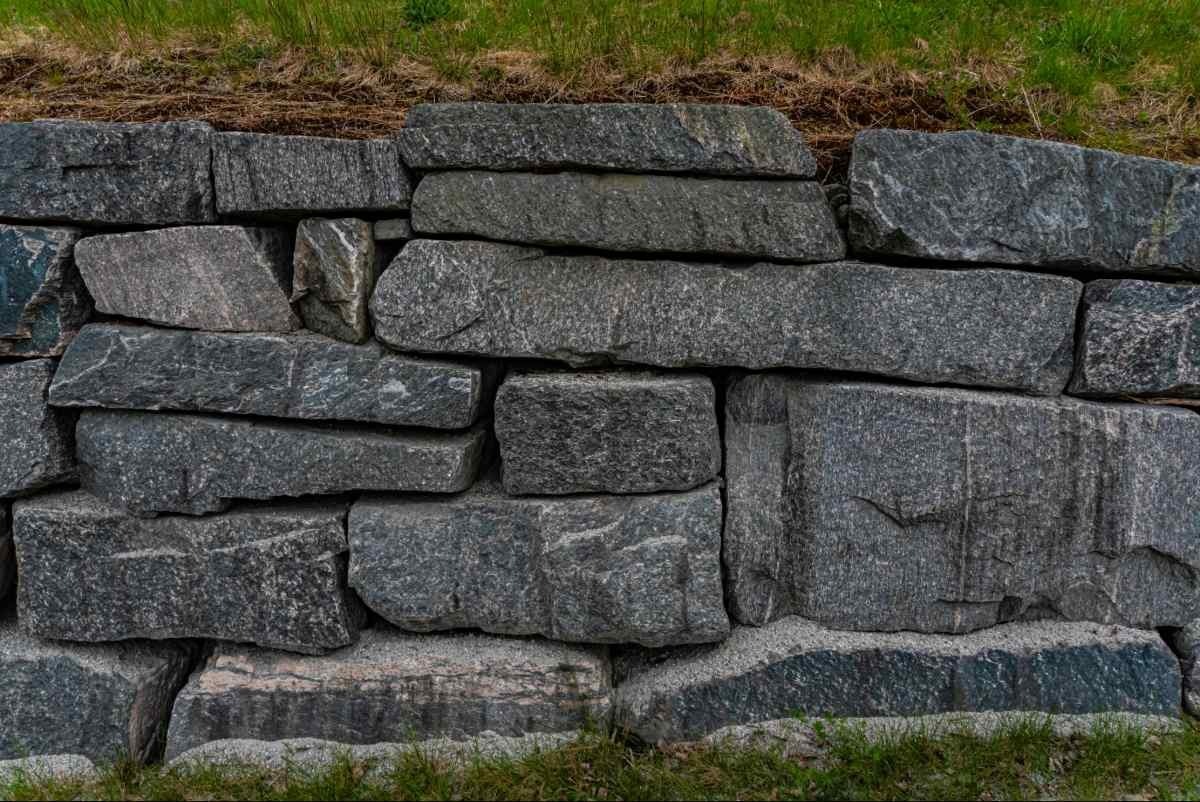
A retaining wall is a strong structure built to hold back soil and keep it in place. These walls are very helpful for yards with hills or slopes where dirt might wash away. The right choice depends on how tall the wall needs to be, what the soil is like, and the budget for the project. Common types of retaining walls include segmental blocks, natural stone, and timber. Selecting the right one ensures the yard stays safe, flat, and beautiful for a long time.
What Is a Retaining Wall and Why Do You Need One?
A retaining wall serves several important jobs for a home. One main reason to build one is erosion control, which stops rain from washing away the dirt. Finally, a well-built wall helps with improving curb appeal, making the whole house look neat. Choosing a professional hardscape solution provider ensures these goals are met with expert care.
Selecting the best material depends on yard needs, style, and budget. Different options offer varying strength, durability, and looks to hold soil effectively. Here are common choices for residential projects.
Segmental walls use special concrete blocks that fit together like puzzle pieces. These are excellent for residential yards because they do not need glue to stay together. This is a very popular low-maintenance retaining wall choice for many homeowners.
- Best for: residential yards
- Pros:
- Very strong and lasts a long time
- Easy to build in curves or straight lines
- Looks very neat and professional
- Cons:
- Must have good drainage behind the blocks
Natural stone walls are perfect for a luxury look that fits with the beach and trees. Using real stones like bluestone creates a style that never goes out of fashion. They look like they have been part of the earth for a long time.
- Best for: luxury + natural look
- Pros:
- Looks very beautiful and classic
- Adds a lot of value to the home
- Strong against wind and salt
- Cons:
- Costs more and takes longer to build
Poured Concrete Retaining Walls
Poured concrete is the choice for maximum strength and a very modern look. These walls are made by pouring wet concrete into a frame. They are very tough and last a lifetime when built correctly.
- Best for: maximum strength
- Pros:
- Extremely tough and solid
- Lasts a very long time
- Smooth and modern style
- Cons:
- Harder to fix if it gets a crack
Timber walls are made from large wooden beams and are best for small budgets. They provide a very natural, warm look that blends in with the grass and trees. For a quick and easy way to create a small garden bed, timber is a simple and helpful material.
- Best for: small budgets + short walls
- Pros:
- Cheapest way to build a wall
- Very fast to put together
- Looks great in a natural garden
- Cons:
- Wood can rot after many years
Boulder walls use very large, heavy rocks to hold back the earth. These are great for a rustic look and are tough enough for big slopes. The weight of the boulders makes the wall very steady.
- Best for: rustic look + heavy-duty
- Pros:
- Very stable because of the heavyweight
- Looks like a natural part of the yard
- Stops dirt from moving on big hills
- Cons:
- Needs big machines to move the rocks
Gabion walls are wire baskets filled with rocks. They are best for areas that get a lot of rain because water can flow right through the rocks. This prevents water from pushing too hard against the wall.
- Best for: drainage-heavy areas
- Pros:
- Water flows through easily
- Very strong and does not move
- Unique and modern style
- Cons:
- Some people do not like the wire look
Brick walls are a classic choice that matches traditional homes. They are very pretty and provide a formal look to a driveway. They add a lot of charm and a historic feel to any yard.
- Best for: classic homes
- Pros:
- Matches the house perfectly
- Very neat and formal
- Strong for medium-sized walls
- Cons:
- Not the best for very tall hills
Retaining Wall Type Comparison
Choosing the right wall involves looking at cost and how long it will last. The table below shows how different materials compare.
| Material | Main Use | Cost Level | How Long Does It Lasts | Work Needed |
| Concrete Blocks | Most common yards | Medium | Very Long | Very Little |
| Real Stone | High-end beauty | High | Forever | Almost None |
| Wood Beams | Small garden beds | Low | 10–15 Years | Some |
| Solid Concrete | Big hills | High | Forever | Very Little |
| Rock Baskets | Managing water | Medium | Very Long | None |
Using professional retaining wall installation services helps in picking the best fit for the land.
Which Retaining Wall Is Best for Your Yard?
Choosing the right wall depends on yard needs, budget, and desired look. The best solution depends on whether the goal is fixing slopes, managing water, or improving curb appeal. Here are the top choices based on specific goals.
Best Retaining Wall for a Sloped Yard
For a yard with a big hill, the best choice is often a block wall or a boulder wall.
- They handle heavyweight well.
- They stay steady on steep ground.
- They can be built in steps to look like a staircase.
Best Retaining Wall for Drainage Problems
If a yard gets very wet, a gabion wall is best. It is also important to use gravel and a drain pipe behind any wall. Small holes let water escape, so it does not push the wall over.
Best Retaining Wall for Budget Projects
Timber walls are the most affordable. These are great for small projects or short garden borders.
Best Retaining Wall for Curb Appeal
Natural stone and brick are the best for beauty. These add the most value to a home because they look high-quality. Finding expert retaining wall installers ensures these materials are put together perfectly.
Retaining Wall Drainage Basics
Drainage is the most important part of a wall. Many walls fall because water gets trapped behind them and becomes very heavy. This is called water pressure. A good drainage system uses gravel and pipes to give that water a place to go.
Final prices depend on project size, complexity, and specific site conditions. Understanding these elements is essential for budgeting and planning. Here are the primary cost factors.
What Impacts Retaining Wall Cost?
Several things can change the price of a new wall.
- Height: Taller walls cost more.
- Length: Longer walls need more material.
- Material: Stone costs more than wood.
- Digging: Moving dirt takes time and tools.
- Soil: Hard ground is harder to work with.
- Permits: Big walls might need a town permit.
- Drainage: Pipes and gravel add to the cost.
Hiring local retaining wall contractors can help provide a clear price before the work starts.
Need a Retaining Wall Built for Your Yard?
If a yard has a hill that needs fixing, expert help is available. Infinity Landscaping Inc provides professional design and building for all kinds of wall projects. We can help with sloped yards and make sure the drainage is perfect. Whether the goal is a stone wall or a block wall, getting a free estimate is the first step.
Frequently Asked Questions
Q1: What is the strongest type of retaining wall?
Poured concrete and block walls are usually the strongest.
Q2: What is the cheapest retaining wall option?
Timber or wood is the lowest-cost choice.
Q3: Do retaining walls need drainage?
Yes, almost every wall needs a way for water to get out.
Q4: How tall can a retaining wall be without a permit?
Often 3 or 4 feet, but always check with the town first.
Q5: What retaining wall lasts the longest?
Stone and concrete walls last the longest.
Q6: Are block retaining walls better than timber?
Blocks last longer because they do not rot as wood does.
Q7: When should I call a retaining wall contractor?
Call a professional if the wall is tall, the hill is big, or you want it to look perfect.