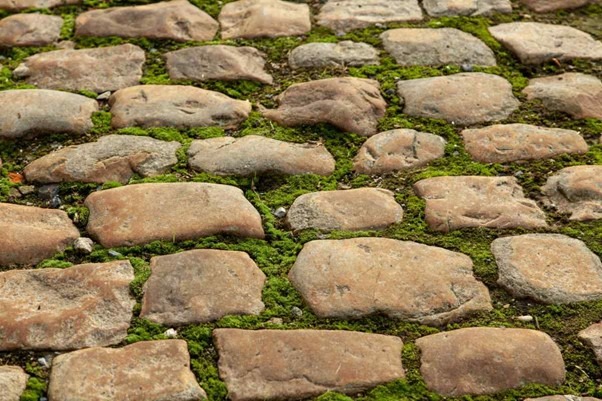
Installing a path in a yard is a great way to move from one spot to another without getting shoes muddy. A path made of stones looks very pretty. However, if the stones are not put in the ground the right way, someone could trip or fall. Doing the job safely is the most important part. To make a path that is sturdy and flat, a person must follow simple steps. This guide will show how to finish a stepping stone path installation without getting hurt or making mistakes.
Step-by-step process to Install a stepping stone path
1. Picking the Right Spot
Before moving any heavy rocks, look at the ground. The ground should be mostly flat. If a path goes up a very steep hill, the stones might slide when it rains. It is also important to check for wires or pipes under the dirt. Digging in the wrong spot can be dangerous. Marking the path with a piece of string or some flour helps show where the stones will go. Planning the walk makes the DIY stepping stone path much easier to finish.
2. Getting the Tools Ready
Big stones are very heavy. To stay safe, a person should use a wheelbarrow to move the stones. Lifting a heavy stone with just your hands can hurt your back. It is also smart to wear thick gloves to protect fingers from getting pinched. Good shoes with closed toes will protect feet if a stone slips. Having all the right tools ready makes the outdoor stepping stone path installation go smoothly and keeps everyone safe.
3. Digging the Holes
Each stone needs a little home in the ground. Use a shovel to outline the stone, then move the stone and dig a hole. The hole should be a bit wider than the stone. It also needs to be deep enough so the stone sits level with the grass. If a stone sticks up too high, a person might trip on it. If it is too low, it will turn into a puddle. Digging carefully is a big part of the stepping stone installation services that experts do to keep paths even.
4. Making a Strong Base
Stones should not sit right on top of soft dirt. Dirt gets mushy when it rains, and the stones will sink or tilt. To prevent this, put some sand or small gravel into the hole first. Pack the sand down until it is hard and flat. This flat layer acts like a floor for the stone. Using a level tool helps make sure the base is not slanted. A flat base is a secret used in professional stepping stone installation to make sure the path lasts a long time.
5. Setting the Stones
Place the stone into the hole on top of the sand. Wiggle it a little bit to make sure it does not rock back and forth. If the stone wobbles, take it out and add a little more sand to the low spots. Step on the stone carefully to see if it moves. If it stays still, it is safe. Every stone should be easy to walk on without tilting. Reliable stepping stone installers always check every single stone to make sure they are firm.
6. Filling the Gaps
Once all the stones are in place, there will be small spaces around the edges. Fill these gaps with more sand, small pebbles, or dirt with grass seeds. This helps hold the stones in place so they do not slide around. It also makes the path look finished and neat. Pushing the material down into the cracks keeps the stones from shifting over time.
Safety Tips for Success
- Always bend the knees when picking up a stone.
- Keep fingers away from the bottom of the stone when setting it down.
- Check the path after a big rain to see if any stones moved.
- Keep the stones clean so they are not slippery.
- Space the stones so they match a normal walking step.
Keeping the Path Nice
A path needs a little bit of care every year. Sometimes grass grows over the edges, or the sand washes away. Adding a little more sand into the cracks keeps the stones tight. If a stone starts to wobble, just lift it and fix the sand underneath. A path that is well-kept is a path that is safe for everyone to walk on for many years.
Transform Your Yard Today
For those who want a beautiful and safe walkway without doing the heavy lifting, professional help is available. Infinity Landscaping Inc can handle the digging, lifting, and leveling to create a perfect garden feature.
Frequently Asked Questions
Q1: How to make stepping stones safe to walk on?
To make stones safe, ensure they are level with the ground so no one trips. The surface of the stone should also have a little bit of texture, so it is not slippery when wet.
Q2: What causes stepping stones to shift?
Stones shift because the ground underneath moves. This happens when the dirt gets too wet or when the ground freezes and thaws. Not using a sand base also causes stones to move.
Q3: How to prevent stepping stones from wobbling?
Prevent wobbling by packing the sand base very tightly before putting the stone down. If a stone wobbles, add more sand to the low areas under the stone until it stays still.
Q4: What is the best base for stepping stones?
The best base is a layer of crushed stone followed by a layer of leveling sand. This combination creates a firm foundation that allows water to drain away.
Q5: Do stepping stones need drainage?
Yes, water needs to be able to run off and away from the stones. If water sits under the stone, the ground will get soft, and the stone will sink or tilt.
Q6: How long do stepping stone paths last?
A path can last for many decades if it is installed correctly. Using strong stones like granite or thick flagstone helps the path stay in good shape for a long time.
Q7: Should stepping stones be set in sand or gravel?
Using both is usually best. A layer of gravel helps with drainage, and a layer of sand on top of the gravel makes it easy to get the stone perfectly flat.