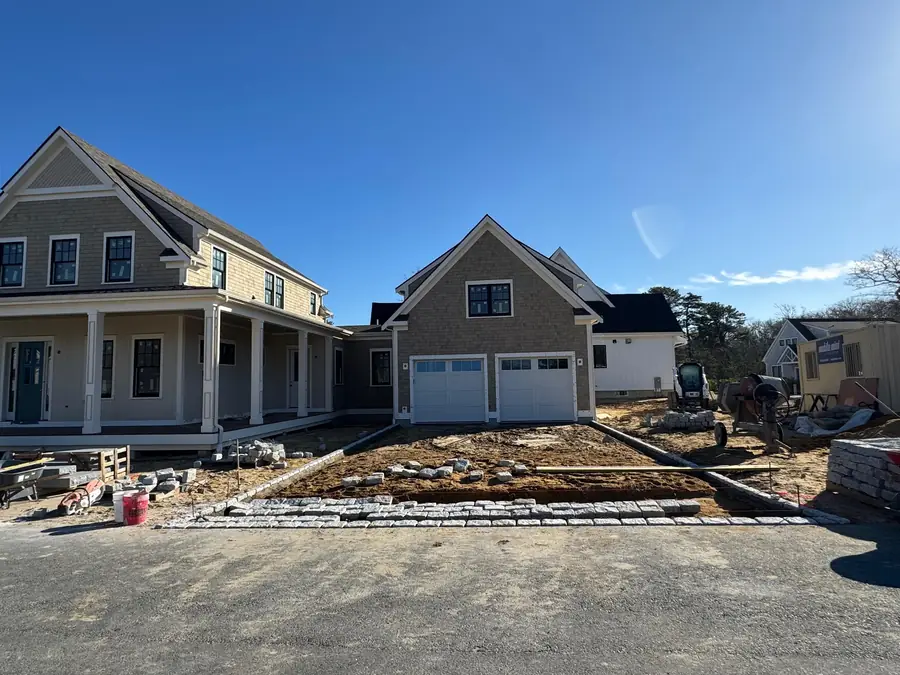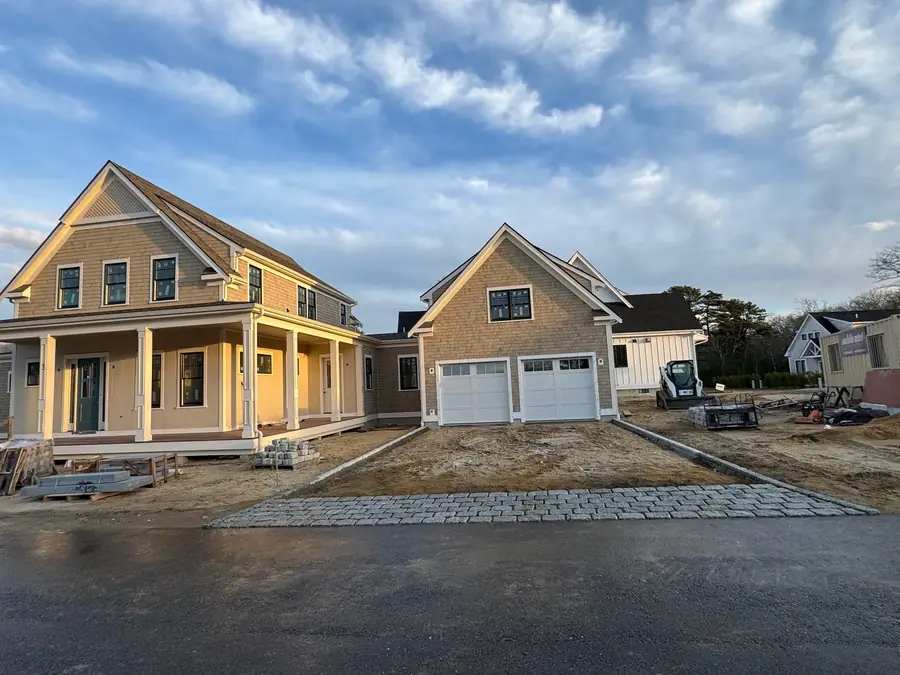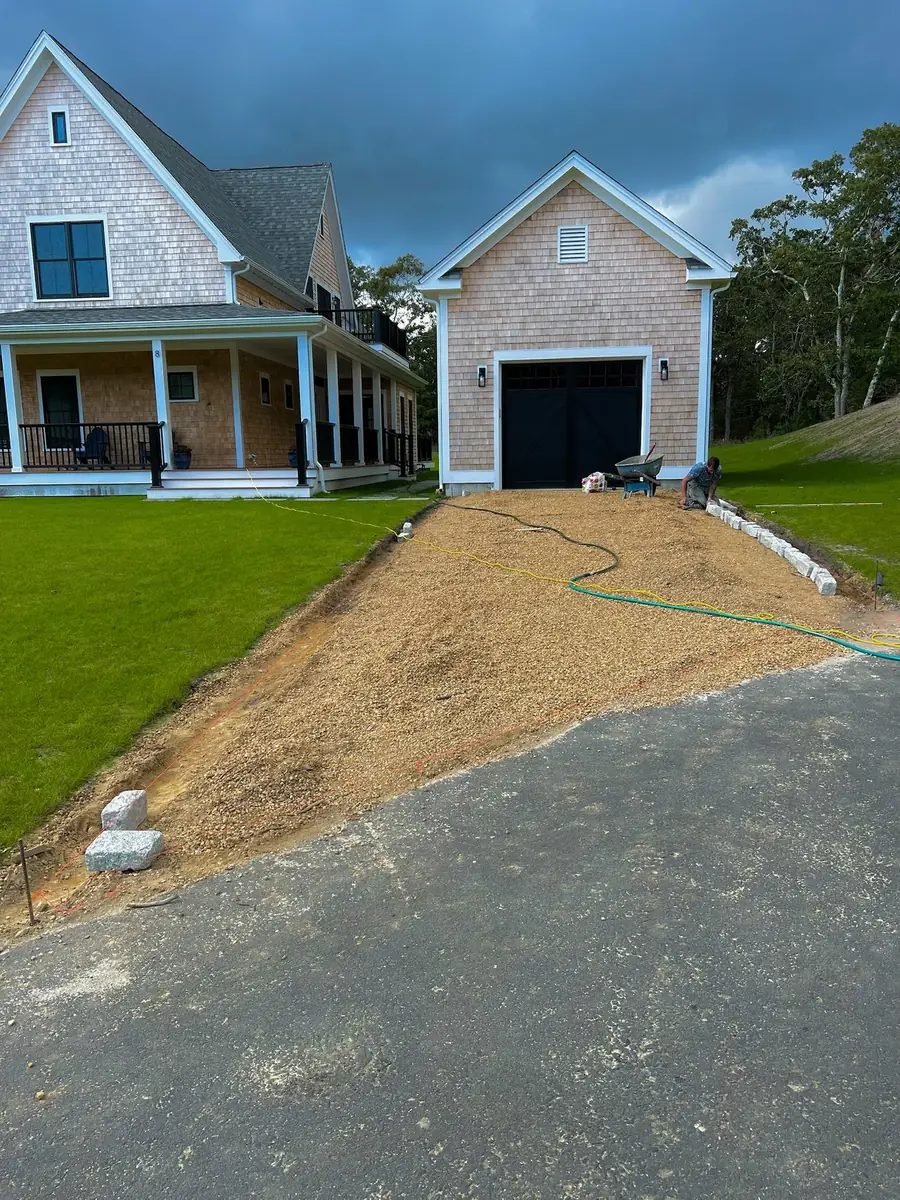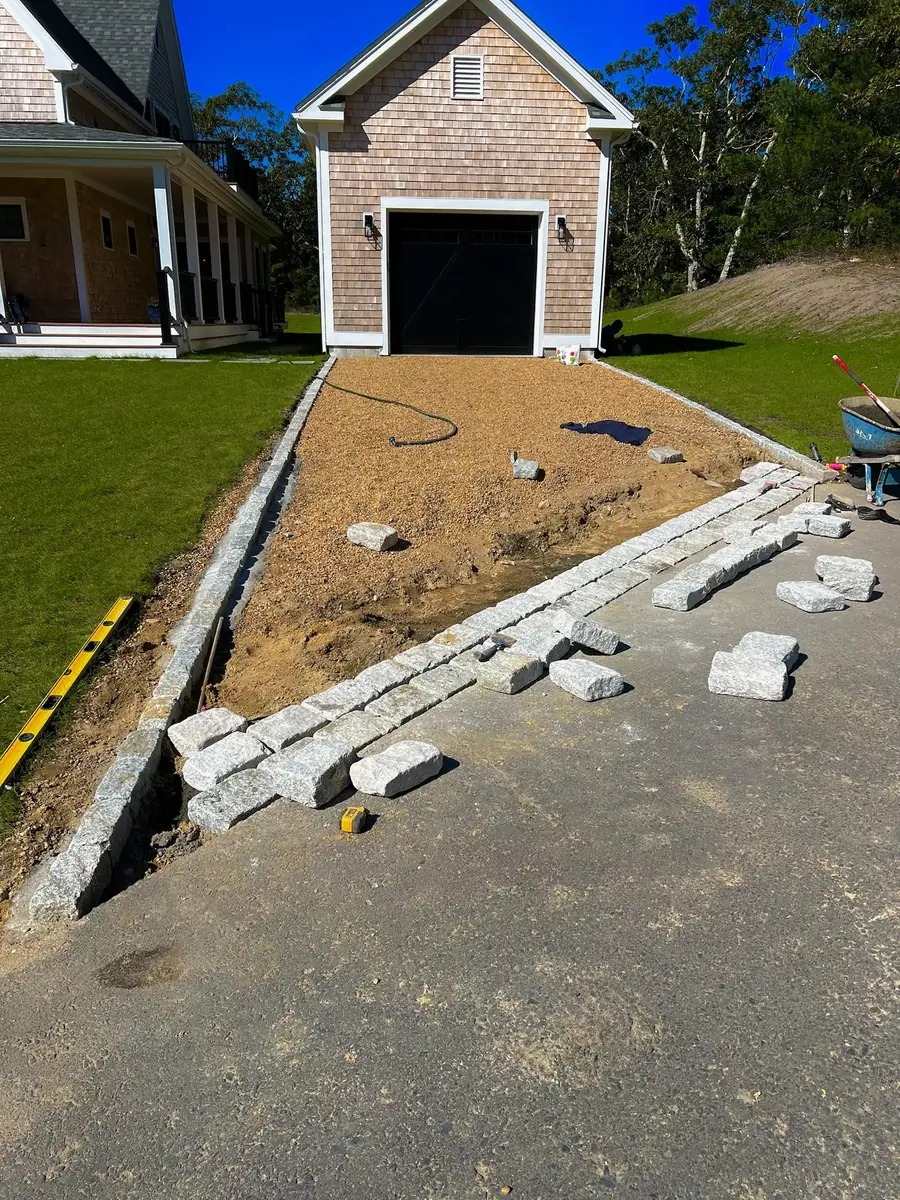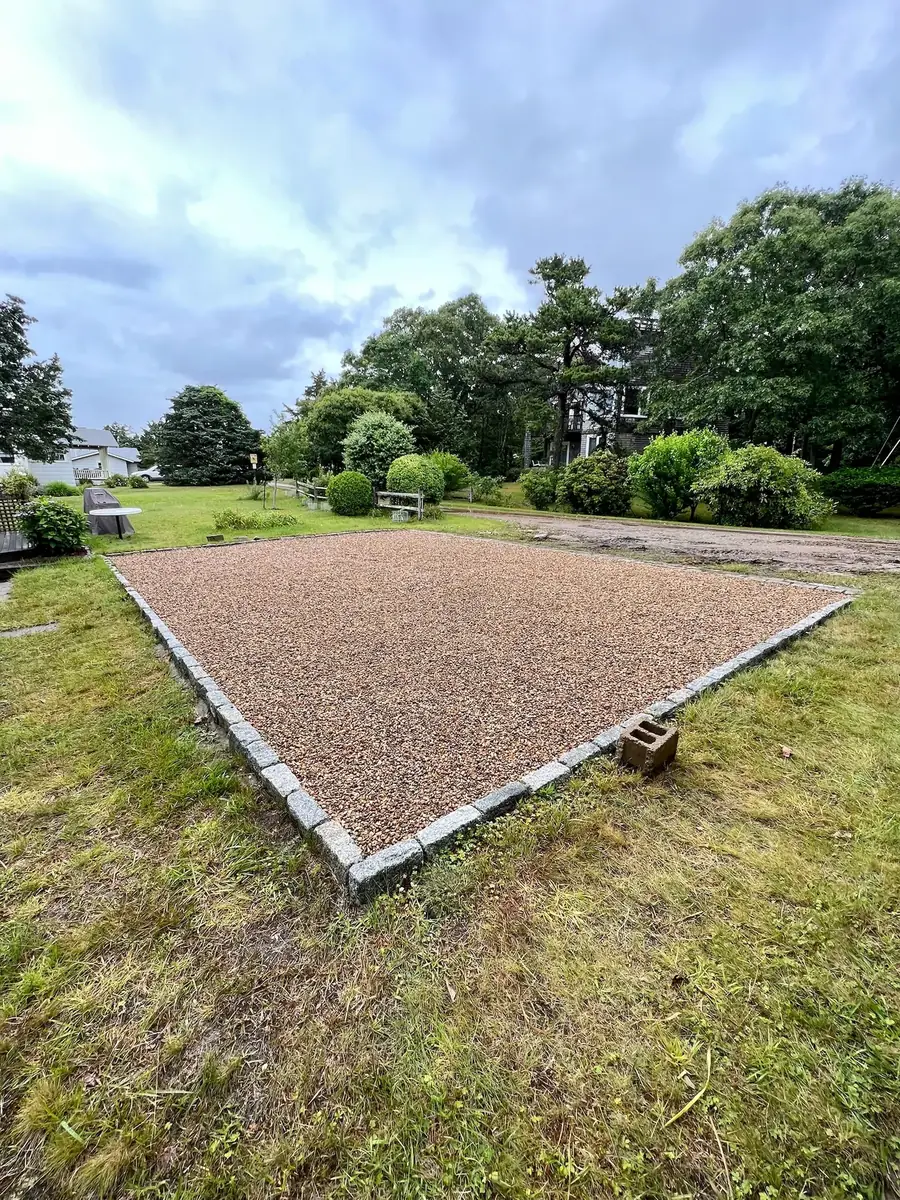
Cobblestone aprons, garden paths, stepping stone arrangements, and decorative edging that age well in coastal conditions and carry the visual character that reads as authentically Vineyard. Reclaimed granite cobblestone and new cobble both available.
Cobblestone installation on Martha's Vineyard covers driveway aprons, garden paths, decorative borders, and stepping-stone configurations. Infinity uses both reclaimed and new Belgian-block cobblestone set over a compacted base sized to local frost depth. Reclaimed stone offers more character; new stone gives consistent sizing. Used as primary surfaces or accents within larger hardscape work.
Hardscaping
Cobblestone Applications on Vineyard Properties
Driveway Aprons
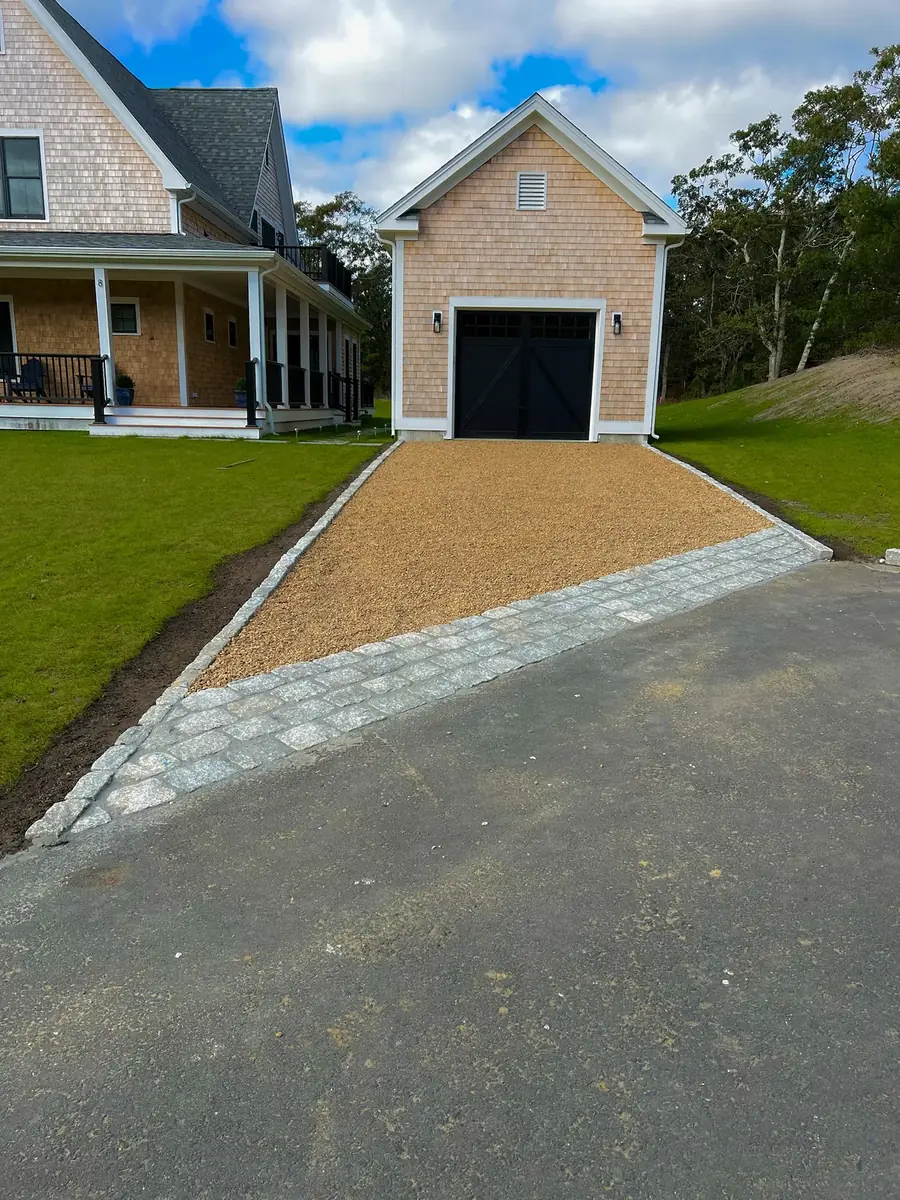
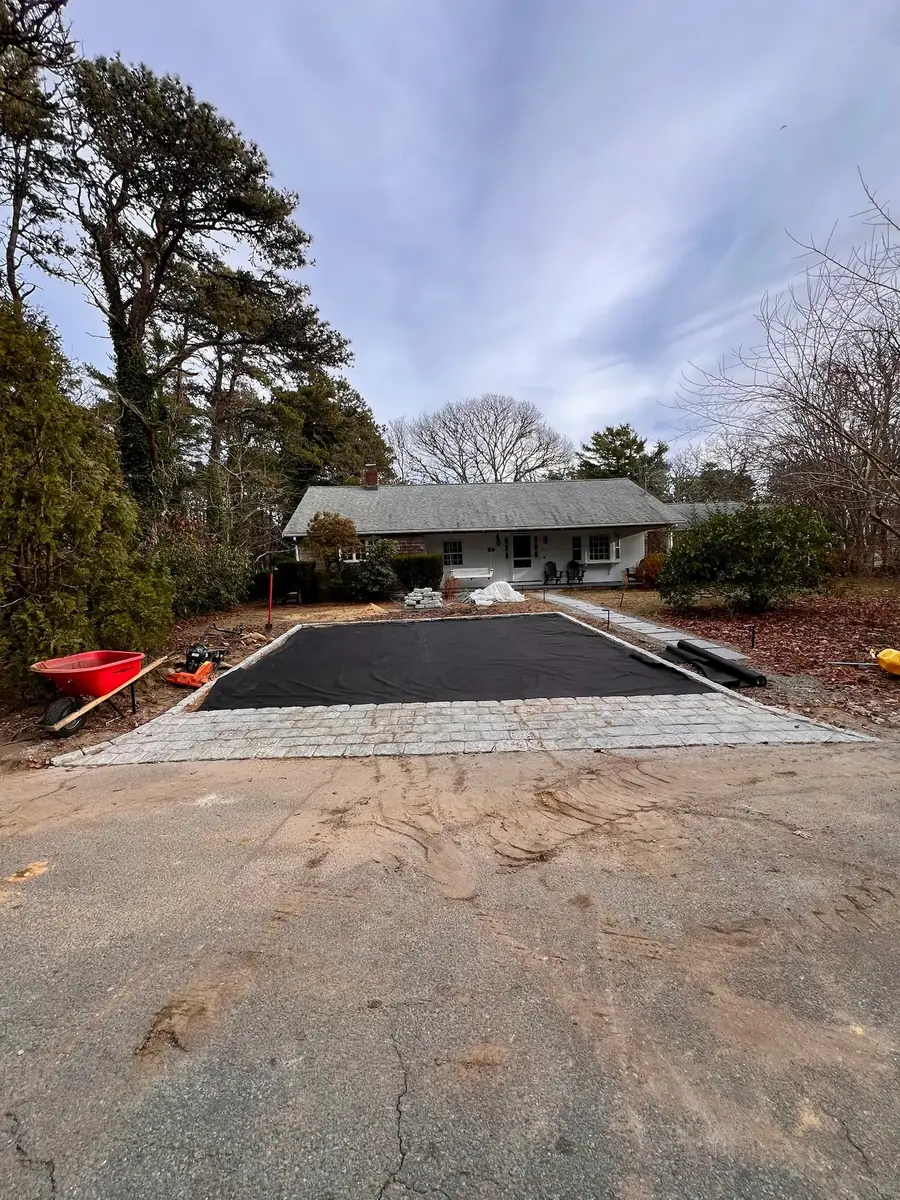
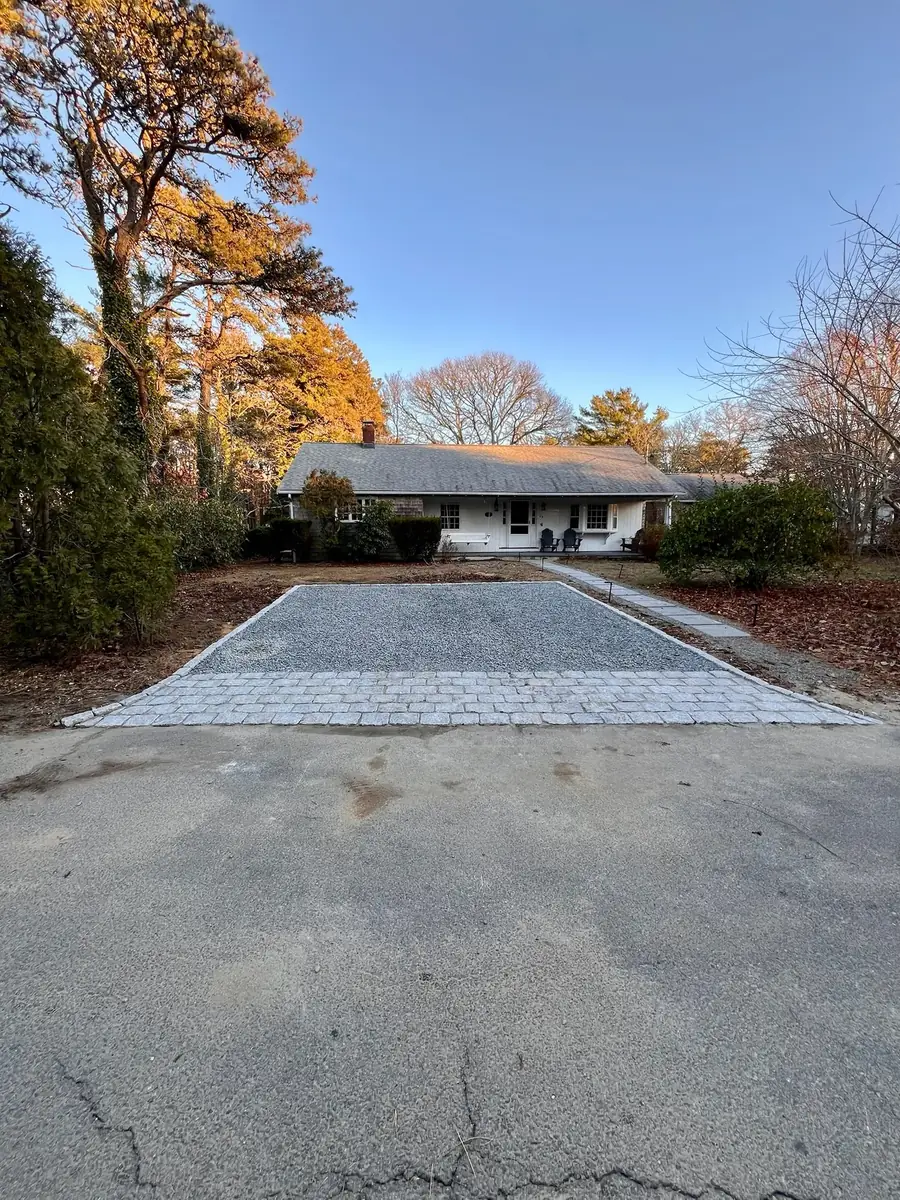
The apron - the transition zone between the paved roadway or gravel driveway and the main parking or entry surface - is the most common cobblestone application on Vineyard properties. An apron in granite cobble provides a clear visual signal that marks the boundary of the property, handles vehicle weight without cracking, and resists the frost heave that plagues asphalt edges. Apron widths typically run 4 to 8 feet, matching the driveway width.
Garden Paths and Secondary Paths
Cobblestone paths through garden areas or between planting zones have a different character than formal flagstone walkways. The slightly irregular surface and tight joint pattern reads as informal and cottage-appropriate. For paths that carry significant foot traffic, cobblestones should be set at close to the same plane height for comfortable walking. For purely decorative or low-traffic garden paths, a slightly more varied surface is acceptable.
Decorative Edging and Borders
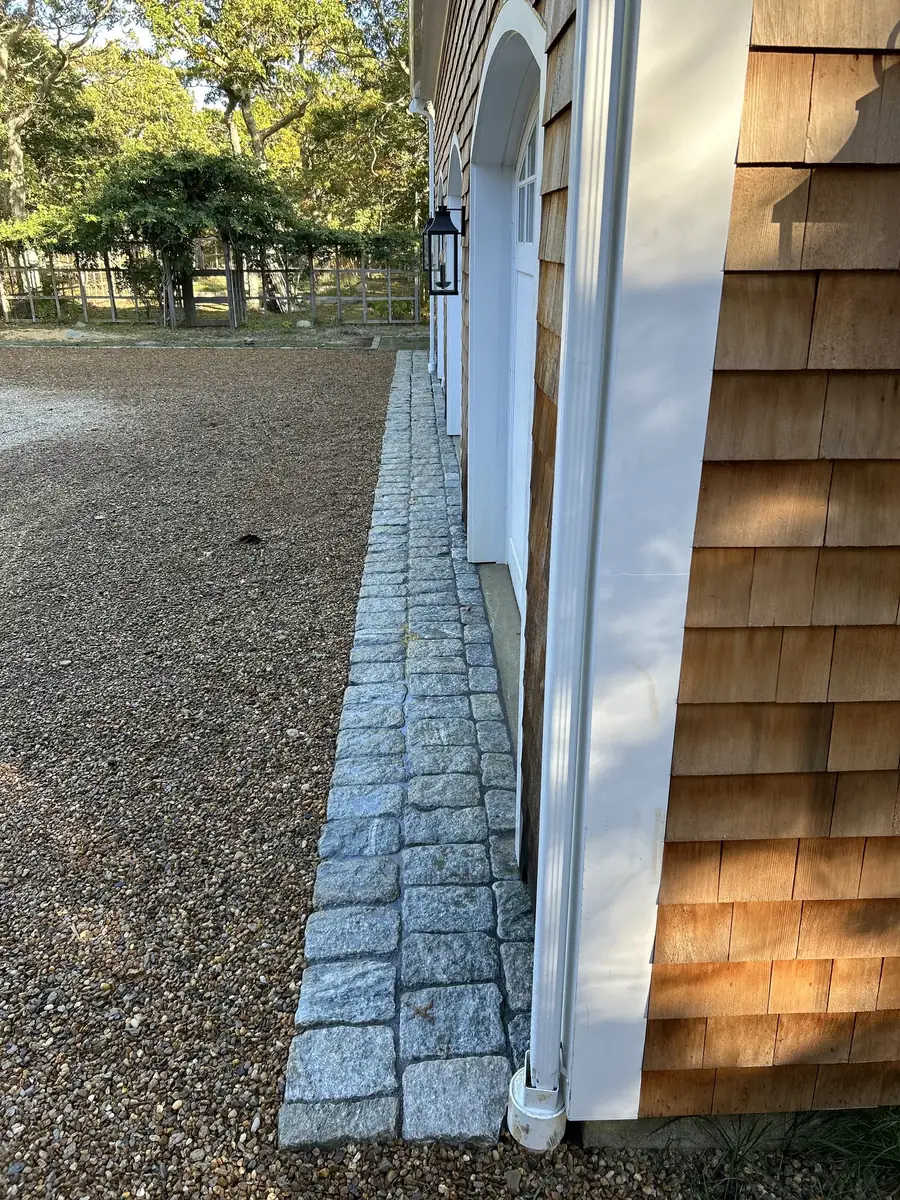
A single or double row of cobblestones along the edge of a bluestone or concrete paver area defines the boundary and adds visual interest without the cost of cobbling the full surface. This application also works to retain the edge of a planting bed, define a driveway border, or mark the transition between lawn and a garden zone.
Stepping Stone Configurations
Individual stones - either natural rounded glacial cobble or cut stepping stone units - placed across a lawn or through a garden area create a path without fully paving the surface. The key variable is stride length: stones placed for comfortable adult walking should be centered 18 to 24 inches apart. Stones placed farther apart require a deliberate step-over that becomes uncomfortable in daily use.
Hardscaping
Material: Reclaimed vs. New Cobblestone
Reclaimed granite cobblestone carries the patina, weathering, and visual depth of old material. Reclaimed granite cobble was originally quarried in New England and New York for 19th and early 20th century street paving. Much of it has been in service for 80 to 150 years and has the surface character that new material cannot replicate. It is also genuinely sustainable - reusing existing material rather than quarrying new. Availability fluctuates as salvage supply comes and goes. We source reclaimed cobble when the project calls for it and the material is available.
New granite cobblestone is quarried and cut to consistent dimensions, making installation more straightforward and joint lines more predictable. New cobble lacks the surface variation of reclaimed material but provides a cleaner, more uniform appearance that reads well in contemporary landscape contexts.
Belgian block is a specific cut cobblestone format - rectangular, with flat faces - that provides the traditional cobblestone look with easier installation and a more consistent surface plane. Common for driveway aprons and formal path borders.
Recent Work
Project photos
A selection of recent hardscaping projects across Martha's Vineyard.
Irregular flagstone pathBluestone steppers through lawnCobblestone driveway edging
Planning This Service
Frequently asked questions
Cobblestones are natural or cut stone pieces, typically 3 to 6 inches in dimension, with rounded or slightly irregular faces. Pavers are manufactured concrete or clay units with consistent dimensions and flat faces. Cobblestone is set in sand and jointed with sand; pavers are similarly set but available in more consistent formats for pattern laying.
Granite cobblestone - both reclaimed and new - is among the most durable paving materials available in coastal, freeze-thaw conditions. The density and composition of granite makes it highly resistant to salt air degradation and surface spalling. It is one of the few paving materials that genuinely improves with age rather than declining.
Not typically. Installing cobblestone over an existing asphalt or concrete surface changes the height relationship with adjacent surfaces, prevents proper drainage integration, and does not provide the stable setting bed cobblestone requires. In most cases, the existing surface is removed and the base is rebuilt from grade.
Rounded cobblestone can be slippery when wet, particularly in high-gloss or lichen-covered conditions. New cobblestone with a rougher surface is less so. For applications where traction is critical - stairs, primary entries on steep grades - we recommend using cobblestone for borders and aprons rather than primary walking surfaces, or selecting cut cobblestone with a textured face.